Our team utilizes their hands-on experience with dewatering and water treatment to perform treatability testing and properly design dewatering and water treatment systems for dredging projects. Brennan’s expertise in passive dewatering systems and active (mechanical) dewatering systems provides the flexibility required to perform dredged material, sediment consolidation, and water treatment if necessary. Whether your project needs high-speed shaker tables or a confined discharge facility (CDF) -- we know what to do.
Dewatering Services
There are several system combinations to consider, as there is no singular best option that works for every project. Because of this, we take a different approach to maximize dredge production, material separation, and dewatering. As a result, we can offer our clients more value and cost savings.
Dredged Material Separation
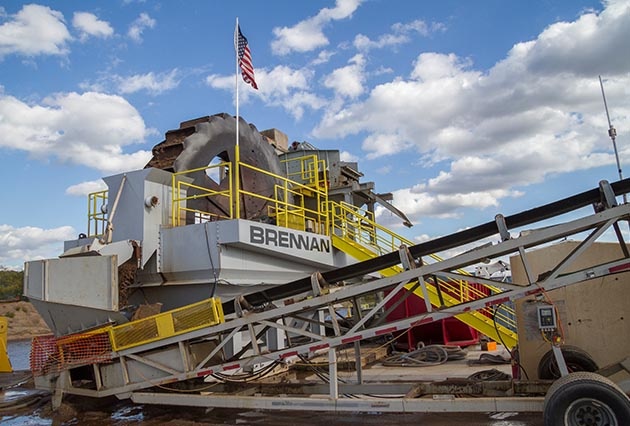
The separation process typically starts with Brennan-owned equipment that is specifically designed to match our dredge systems, maximizing production. Depending on the geotechnical characteristics of the sediment, Brennan can provide several options to remove debris and sand before sediment processing.
Our dredged material separation options include:
- Hydrocyclones
- Shaker screens
- High-speed shaker tables
- Sand wheels and more
How do you select the best dewatering method for a project?
High-Speed Dewatering Services
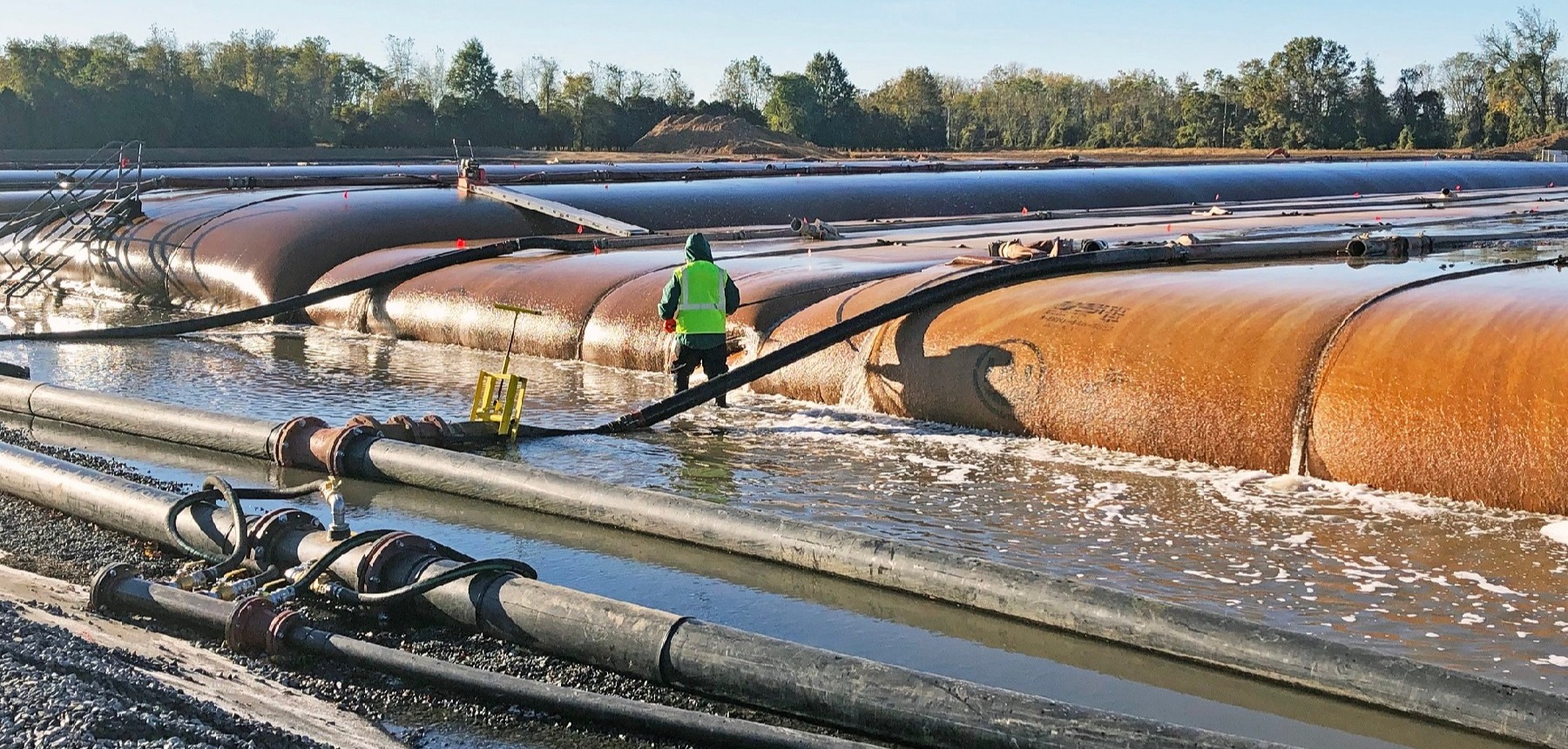
There is a science to high-speed dewatering using geotextile tubes, and our internal knowledge of flocculant and coagulant application in high-capacity flowrates and heterogeneous slurry composition is why we are considered the best in the business.
Geotextile Tube Dewatering
Brennan has more geotextile dewatering experience than any other contractor in the United States. Geotextile tube dewatering systems are widely used on hydraulic dredging projects. We design, construct, and operate our geotextile tube sediment dewatering systems. We will handle the entire operation, from design to final disposal.
Mechanical Dewatering
We offer mechanical dewatering services. Depending on the individual project's needs, dewatering equipment can be mobile skid or trailer mounted, semi-permanent, or permanent installations.
Mechanical dewatering options include:
- Belt presses
- Filter presses
- Centrifuges
- Total Clean Dewatering System and more
Confined Disposal Facility (CDF)
A confined disposal or discharge facility (CDF) is a predetermined area that contains dredged material. The terms confined discharge facility, dredged material containment area, diked disposal facility, and confined disposal area are used interchangeably. We create and manage CDFs to hold dredged material and wastewater before it is treated and discharged into the environment in a controlled manner.